Travel Website - Brazil - Destinations
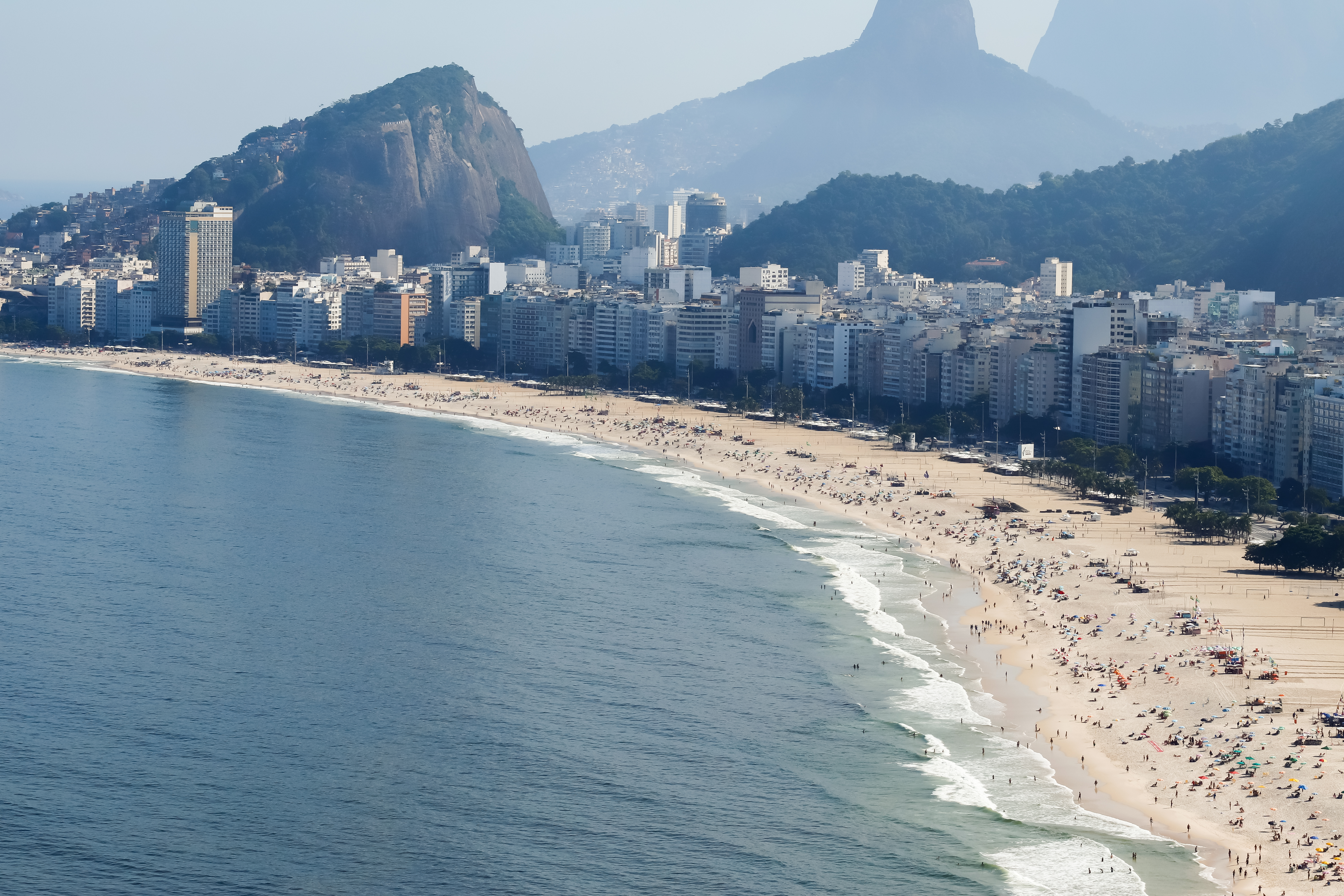
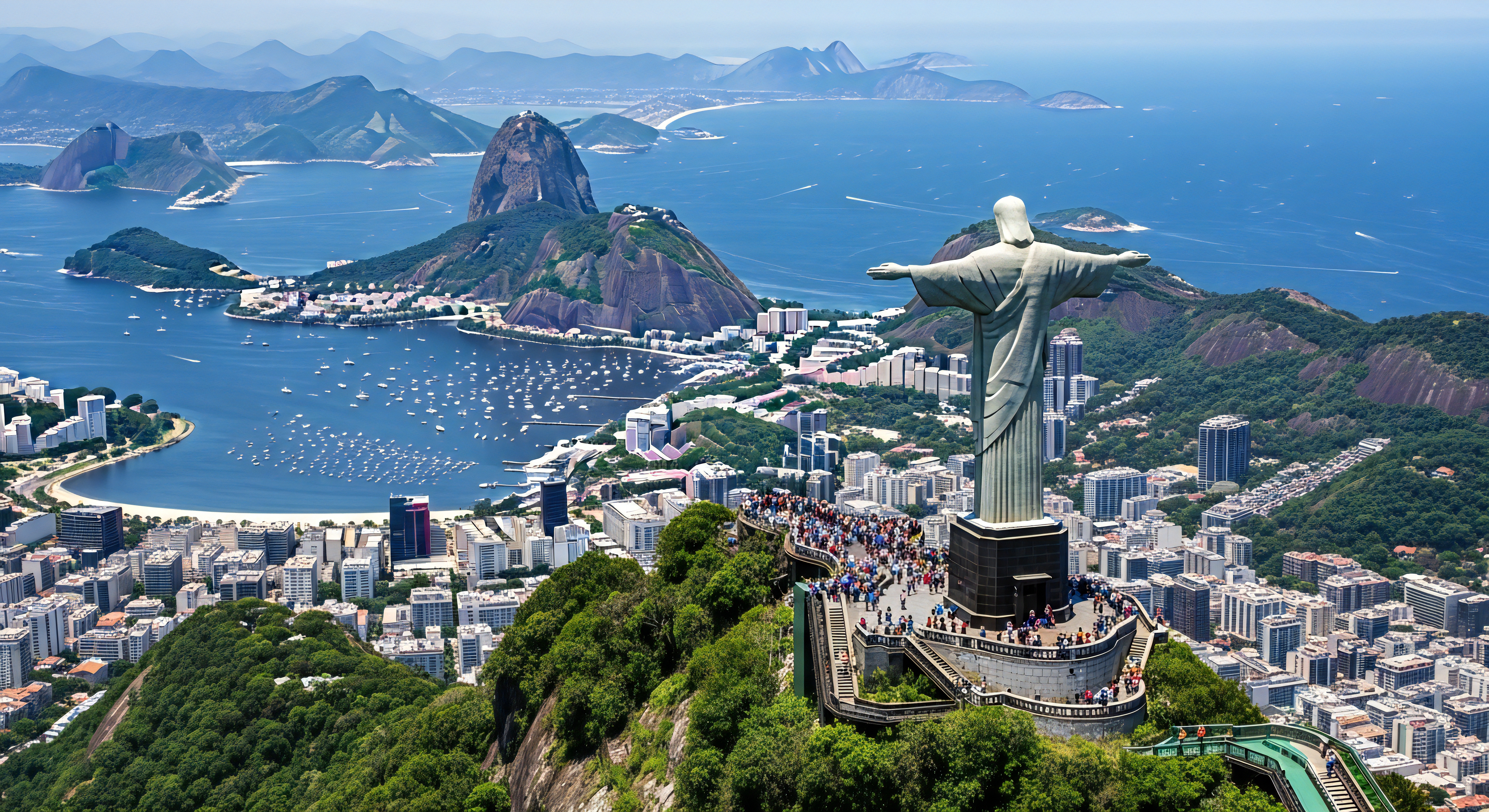
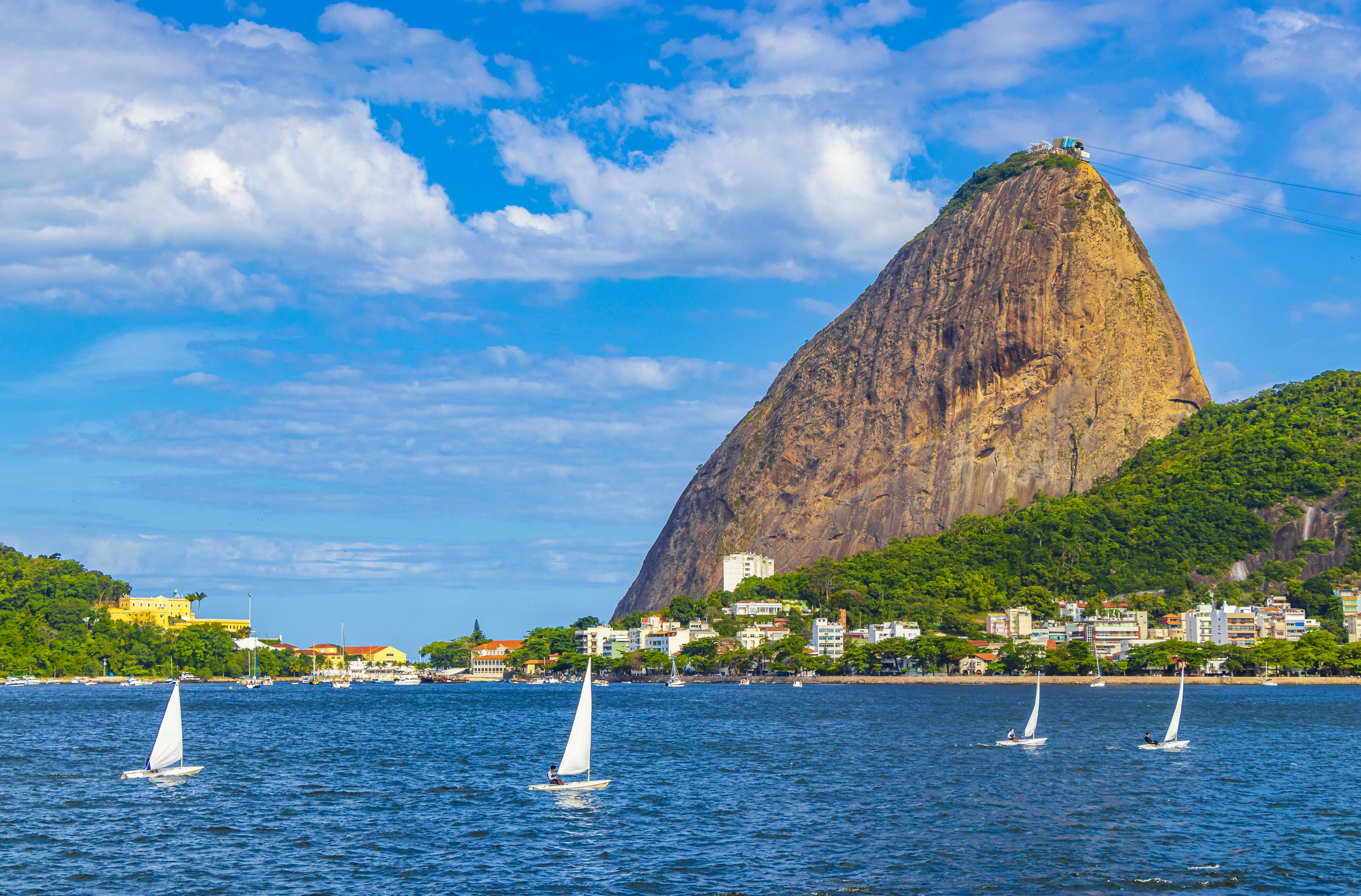
When most people think of Rio de Janeiro, they imagine world-famous beaches like Copacabana and Ipanema, and for good reason. These iconic stretches of golden sand are part of the city’s soul. But beyond the postcard views, there are countless hidden gems that locals truly cherish.
One favorite among Cariocas (Rio locals) is Praia do Leblon, the calmer extension of Ipanema Beach. With fewer crowds and a more relaxed vibe, it’s a perfect spot for families and friends to unwind while watching the sunset behind the Dois Irmãos (Two Brothers) peaks.
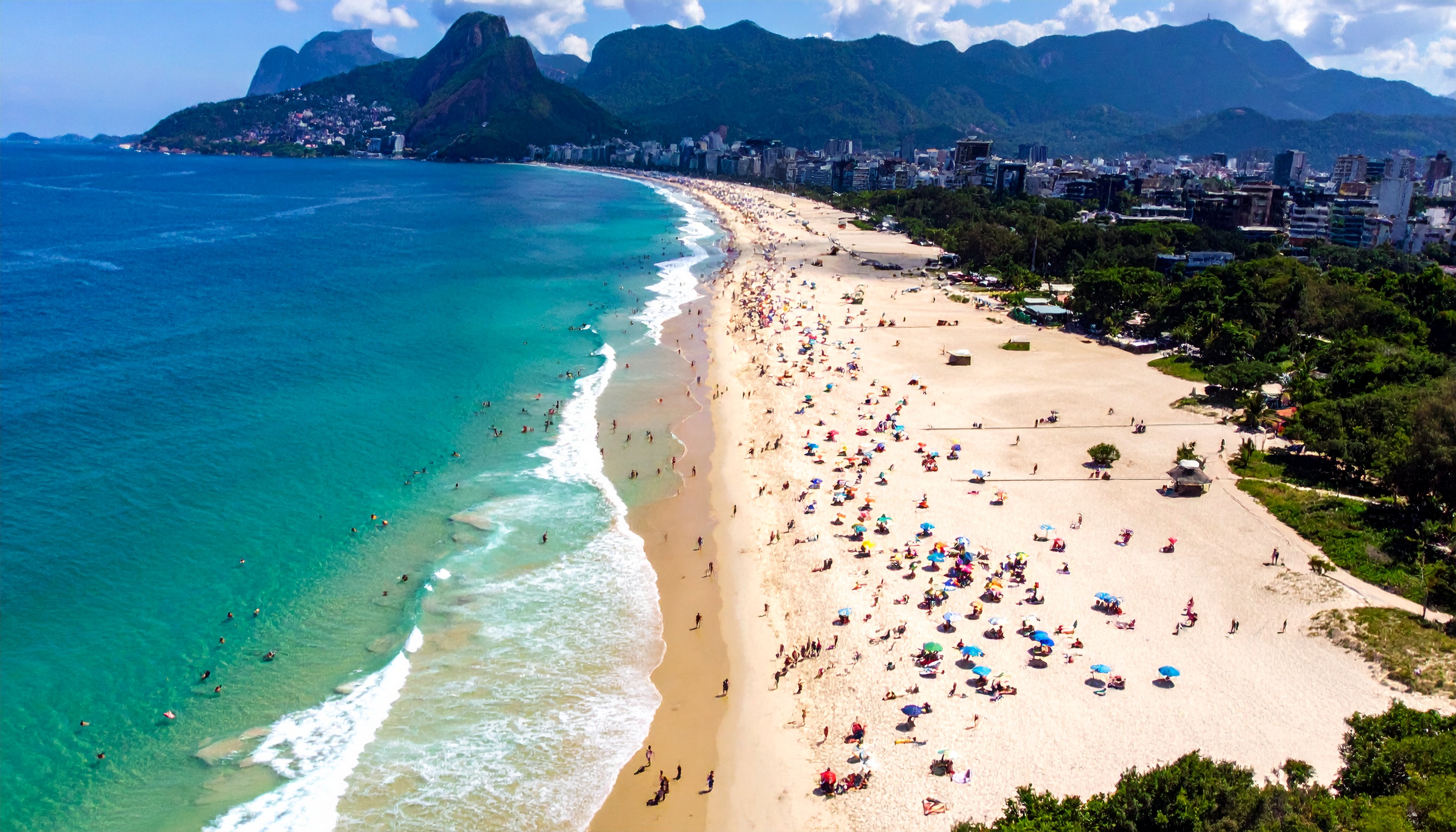

For surfers and nature lovers, Prainha is a must. Located about 45 minutes from downtown Rio, this crescent-shaped beach is framed by lush rainforest and powerful waves. It’s part of an environmental protection area, so it feels worlds away from the city’s hustle, a true sanctuary for those seeking peace and nature.
Another beloved local hangout is Barra da Tijuca Beach, stretching over 11 kilometers. Its vast sands and clear waters attract kite surfers, joggers, and anyone looking for space to breathe. It’s also home to some of Rio’s coolest beach bars and cafés. Whether you’re soaking up the sun in lively Ipanema or catching waves in secluded Prainha, Rio de Janeiro’s beaches capture the city’s essence. A mix of beauty, energy, and the irresistible joy of life by the sea.


The Amazon Rainforest is a living, breathing wonder. A vast green world teeming with wildlife, ancient cultures, and untold natural beauty. Stretching across much of northern Brazil, it’s the ultimate destination for travelers seeking adventure and connection with nature.
Start your journey in Manaus, the gateway to the Brazilian Amazon. Here, you can visit the Meeting of the Waters, where the dark Rio Negro and the sandy-colored Amazon River flow side by side without mixing. A mesmerizing natural phenomenon. From Manaus, eco-lodges along the river offer guided tours deep into the forest.
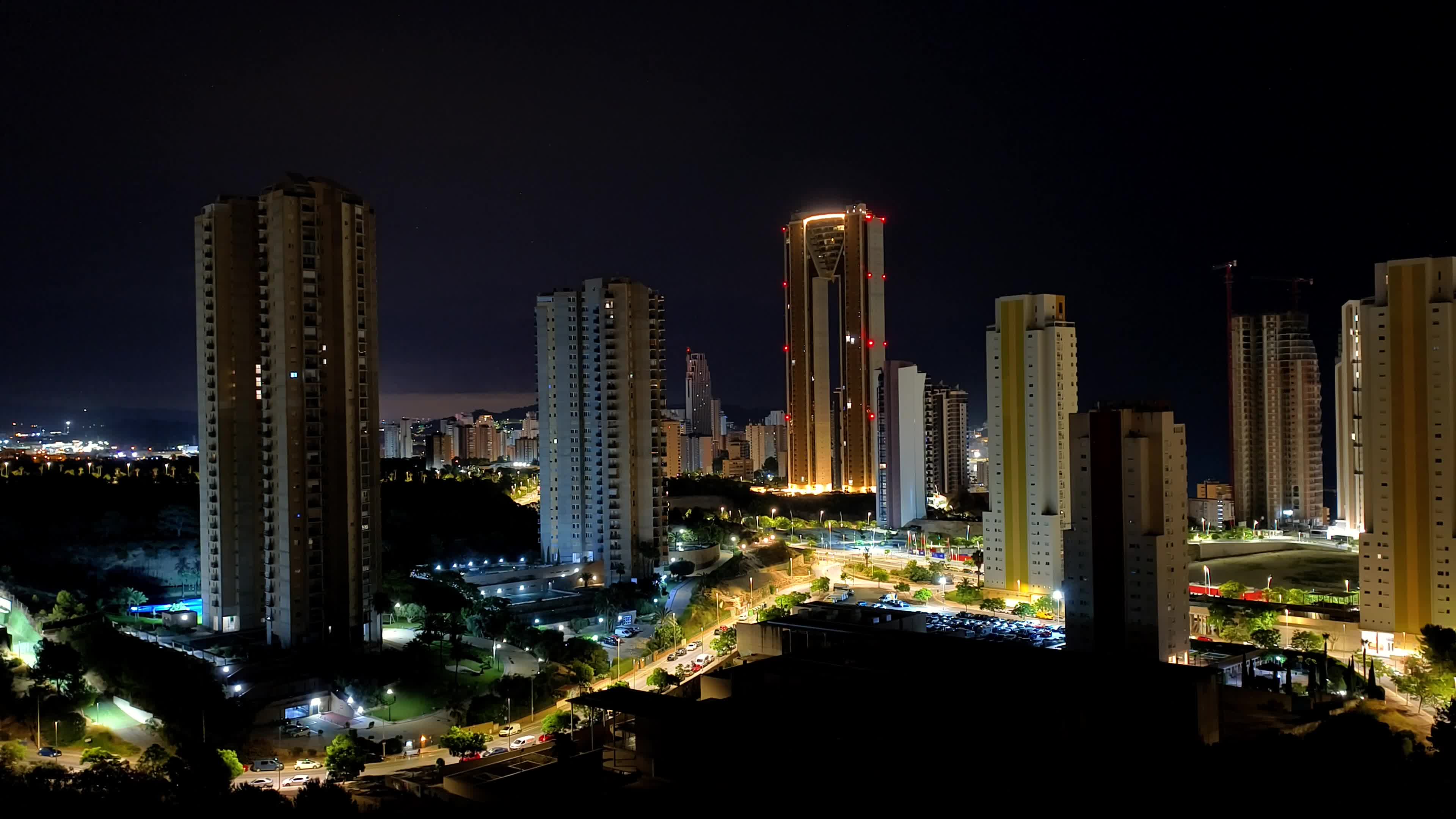
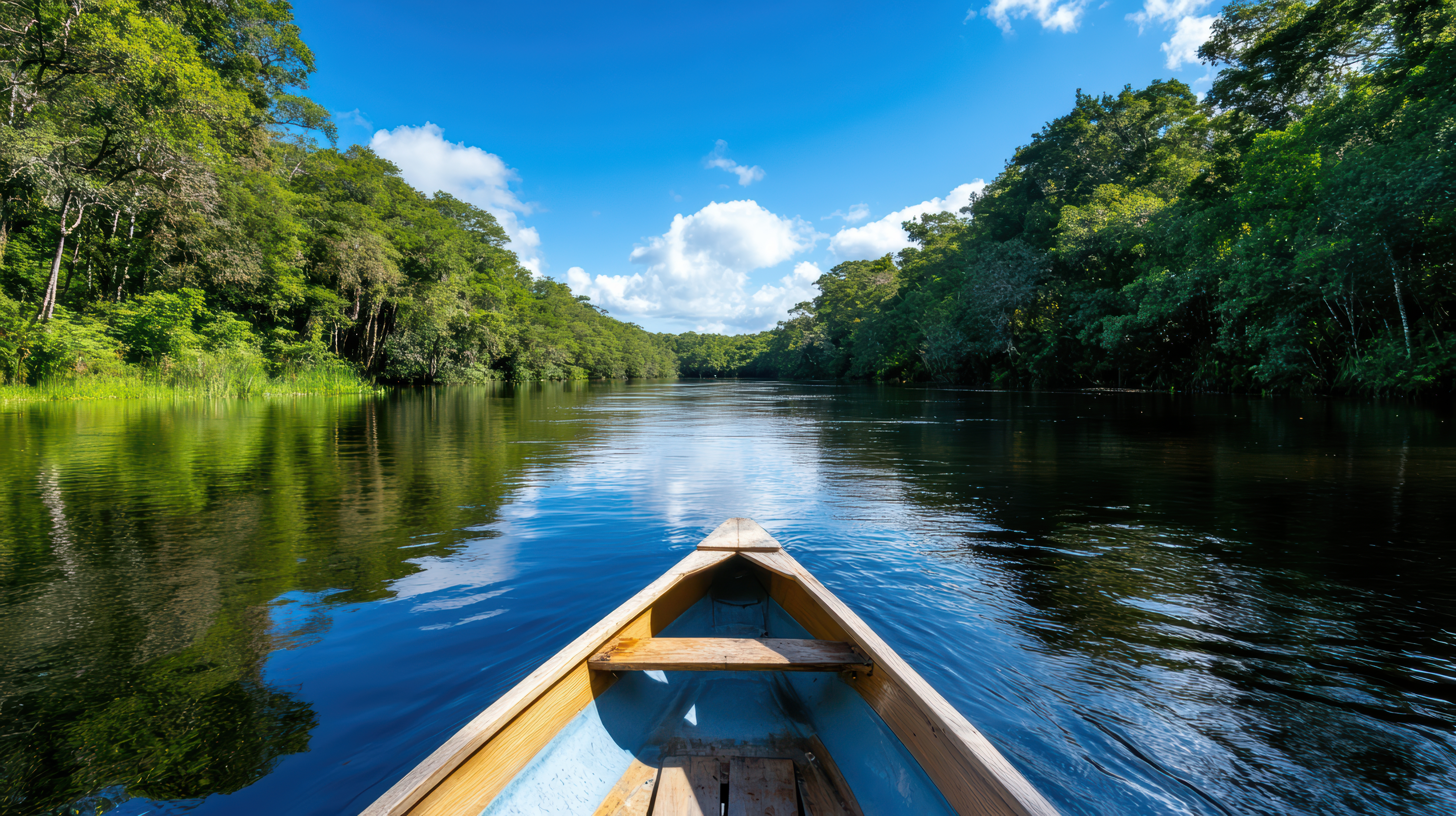
One of the best experiences is a canoe trip at dawn, when mist rises from the water and the jungle awakens with birdsong. You might spot sloths, macaws, or even pink river dolphins. For the truly adventurous, a night trek through the rainforest reveals its nocturnal side. Glowing insects, croaking frogs, and the distant call of howler monkeys.
Visit Anavilhanas National Park, one of the world’s largest river archipelagos, with hundreds of islands and narrow waterways perfect for kayaking and wildlife spotting. Those interested in culture can meet local indigenous communities, who share stories, traditional crafts, and ancient knowledge of medicinal plants. The Amazon isn’t just a place to see, it’s a place to feel. Every sound, scent, and sight connects you to one of the planet’s last great wildernesses, reminding us of the delicate balance that sustains all life on Earth.
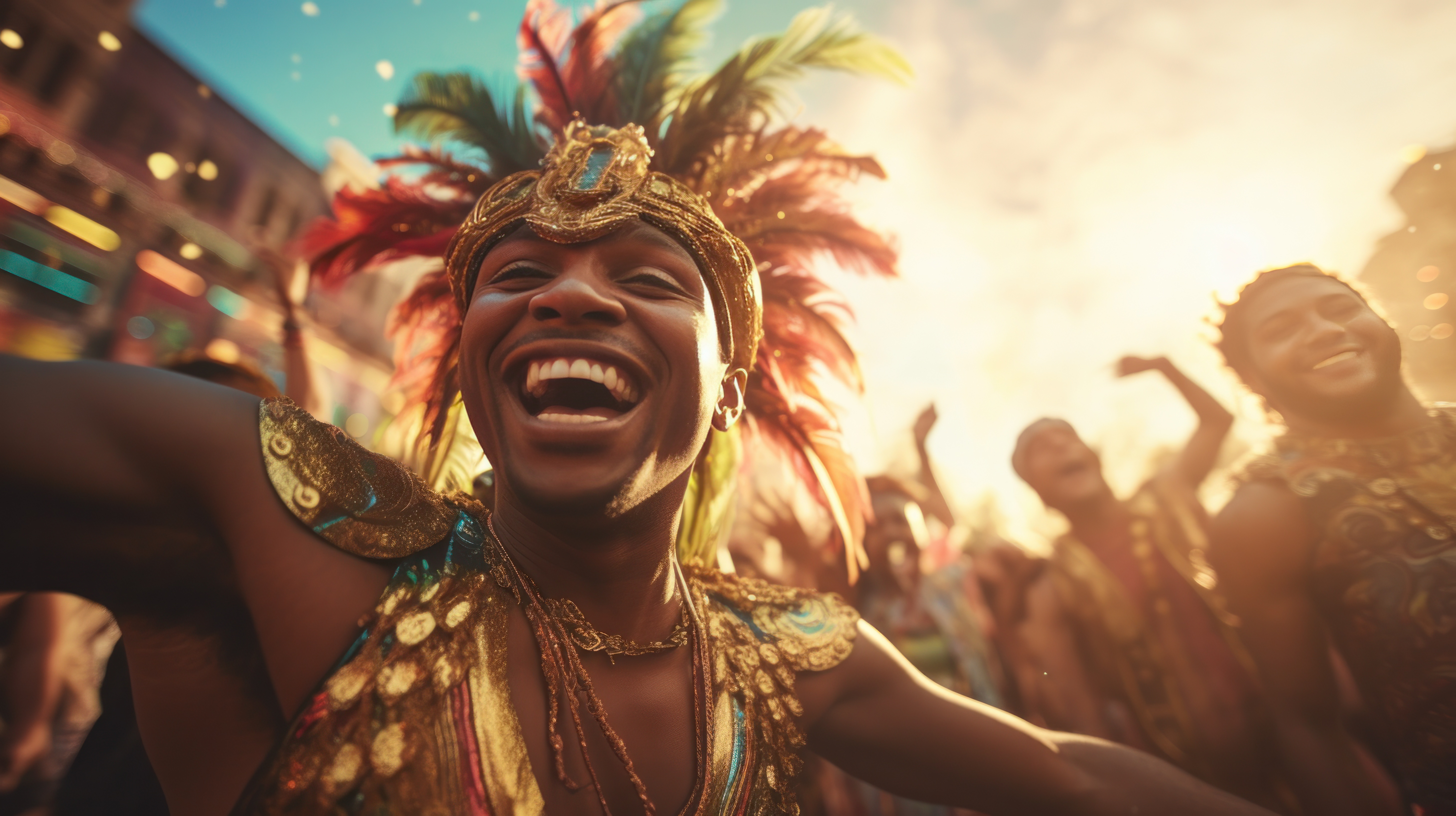
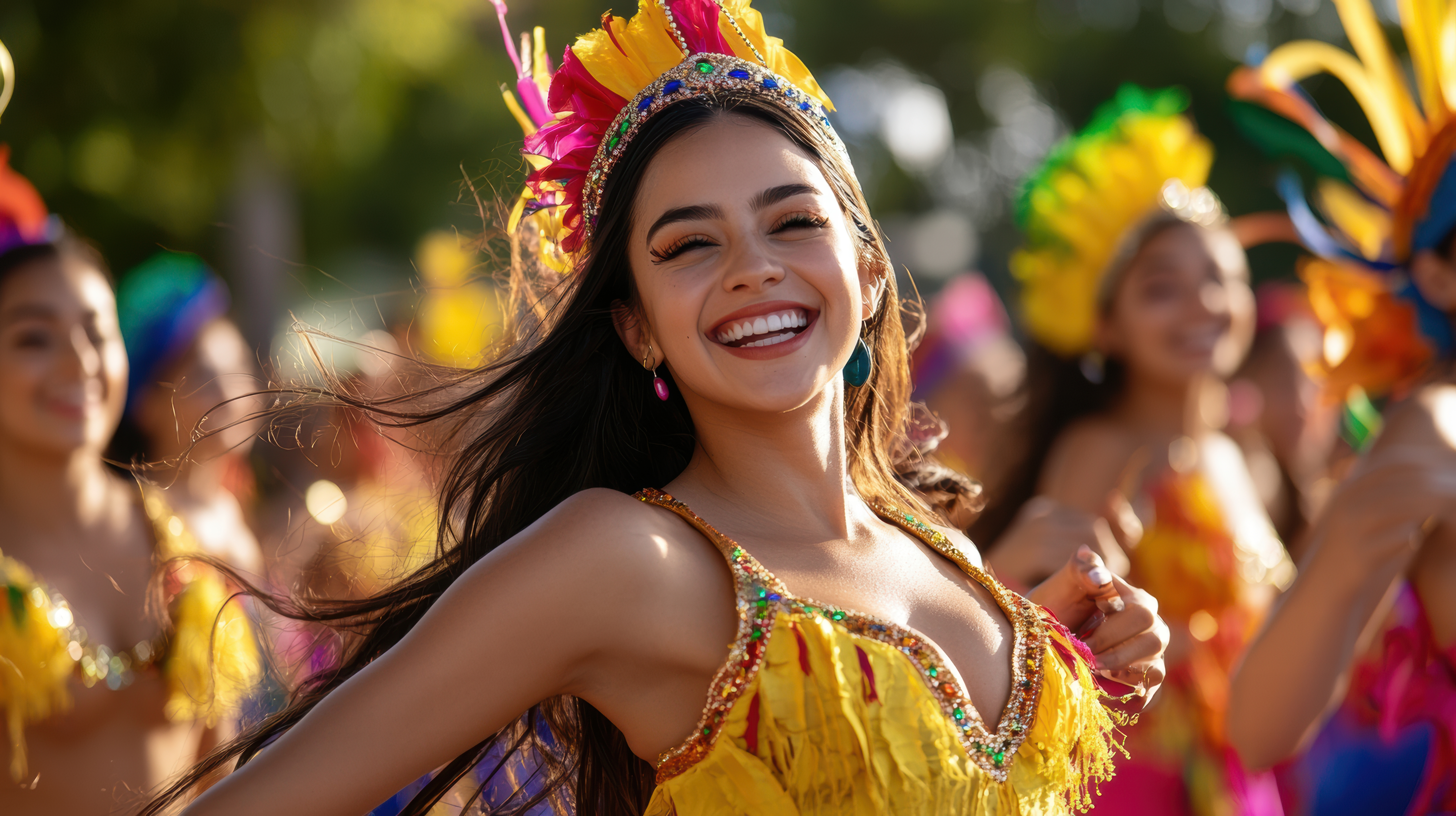
Few celebrations on Earth match the energy, color, and joy of the Brazilian Carnival. Every year, cities across Brazil explode with music, dancing, and dazzling costumes. A spectacular expression of the country’s vibrant spirit. But to truly experience the authentic Carnival, it’s not just about watching; it’s about joining in.
The most famous celebration takes place in Rio de Janeiro, where the Sambadrome hosts samba school parades that blend art, rhythm, and storytelling. Each school spends months preparing floats and costumes to compete for the Carnival crown. To feel the magic up close, you can actually join a samba school as a participant. Visitors are welcome to march in the parade with proper costume arrangements made in advance.
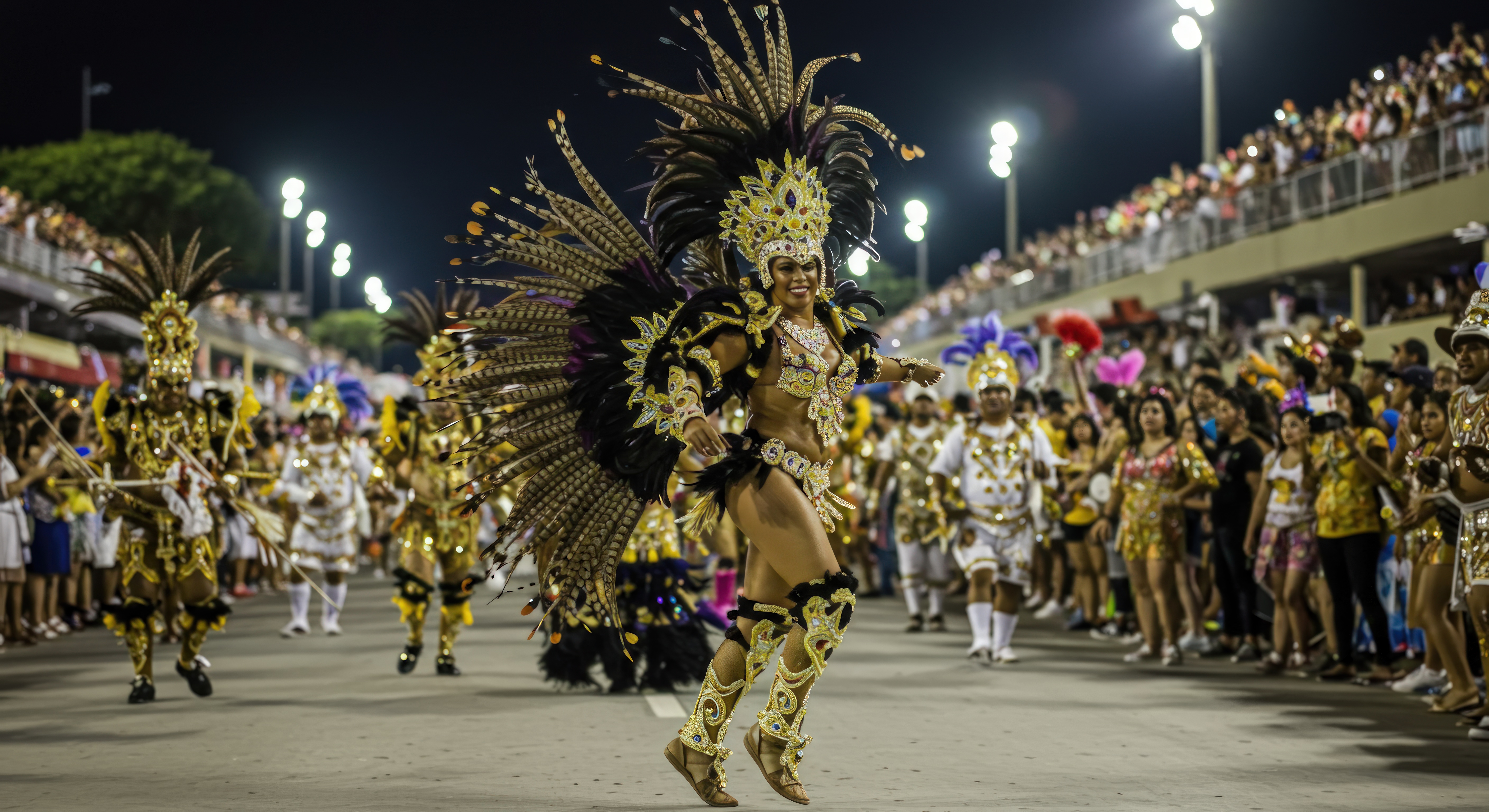

Beyond the grand parade, the real soul of Carnival is found in the “blocos de rua”. Spontaneous street parties that fill every neighborhood with music and dance. Popular blocos like Cordão da Bola Preta or Bloco das Carmelitas attract thousands, but smaller local ones offer a more personal, authentic vibe. Other cities have their own unique Carnival traditions. Salvador, in Bahia, brings Afro-Brazilian rhythms to the streets with trio elétrico trucks and non-stop dancing. Olinda, in Pernambuco, charms visitors with its colorful colonial streets and giant puppets known as bonecos gigantes.
To experience Carnival like a local, embrace the rhythm, wear something bright, and don’t be afraid to dance. Whether you’re in Rio, Salvador, or Olinda, Carnival isn’t just a festival, it’s the heartbeat of Brazil, celebrating life, unity, and pure joy.